

Dental implants have earned a reputation as the gold standard for replacing missing teeth—and for good reason. They’re durable, natural-looking, and can restore both function and confidence after tooth loss.
But what if your natural teeth are healthy? Would replacing them with implants give you an even better smile?
In most cases, the answer is no.
Even though dental implants are an excellent solution for missing or severely damaged teeth, healthy natural teeth remain the best option for your oral health whenever possible. Dentistry today focuses heavily on preserving what nature gave you—and there are some very good reasons why.
Your Natural Teeth Are Designed to Last
Healthy natural teeth are incredibly strong and efficient.
Your teeth are supported by living tissues, nerves, and structures that work together to provide sensation, stability, and natural function. They help you detect pressure while chewing and adapt to changes in your bite over time.
Dental implants do an excellent job of replacing missing teeth, but they are still replacements—not upgrades.
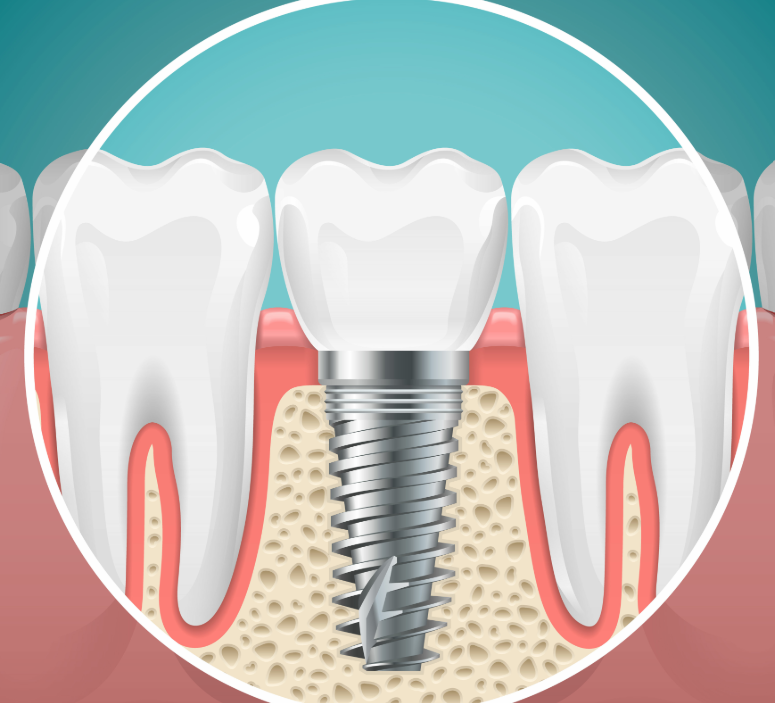
An implant consists of an artificial tooth root placed into the jawbone and topped with a restoration. While implants can closely mimic natural teeth in appearance and function, they don’t fully recreate every aspect of a healthy biological tooth.
That’s why preserving healthy teeth is generally considered the preferred approach.
Removing Healthy Teeth Comes with Unnecessary Risks
To place a dental implant, a tooth must first be removed.
Extracting healthy teeth means undergoing an irreversible procedure that permanently removes natural tooth structure. Like any surgical treatment, implant placement also involves healing time and carries risks such as infection, implant failure, complications with healing, or the need for additional procedures.
Even successful implant treatment requires long-term maintenance and regular dental care.
If a healthy tooth can continue functioning for years—or even decades—removing it simply to replace it with an implant usually isn’t recommended.
When Dental Implants May Become the Better Choice
There are situations where dental implants can become the ideal solution.
If a tooth is severely damaged, extensively decayed, fractured beyond repair, affected by advanced gum disease, or cannot be predictably restored, removing the tooth and replacing it with an implant may support better long-term oral health.
Dental implants may also be recommended after tooth loss or in situations where preserving a tooth would lead to ongoing problems.
The goal isn’t to choose implants over natural teeth—it’s to choose the treatment that creates the healthiest and most predictable outcome.
Saving Natural Teeth Is Often Worth the Effort
Modern dentistry offers many ways to preserve teeth that may once have been considered hopeless.
Treatments such as crowns, root canal therapy, periodontal treatment, and restorative care can often extend the life of natural teeth significantly.
If you’re considering implants for cosmetic reasons alone, it’s worth discussing all available options first. There may be less invasive ways to improve the appearance of your smile without sacrificing healthy teeth.
A healthy natural tooth is usually something worth protecting whenever possible. Keeping your natural smile healthy today can help support long-term comfort and function for years to come.
About the Practice
Cornerstone Dental in Fargo provides comprehensive dental care with a focus on preserving and restoring healthy smiles. Dr. Majidian, Dr. Nider, and our experienced team offers advanced restorative solutions, including dental implants, while helping patients understand all available treatment options before making a decision.
Call us at (701) 237-3583 or schedule your appointment online.